


Whether it’s Lent, Pentecost, or Advent, there are moments through the year that help us begin a daily prayer habit. But when the season ends, real life fills back up, and it is easy to drift. If you want to build a daily rhythm of prayer that lasts, the goal is not forcing yourself to do it every day. It is a simple rhythm you can return to, day after day.
What you’ll find here:
- A simple way to start a habit
- Ideas to bring Morning, Midday and Night prayers into your routine
- What to do if you miss a day
Attach prayer to something you already do
Starting a time of daily prayer in a season like Lent or Advent can be a great way to discover a practice, but it can be hard to continue afterwards. Linking a daily practice to a season makes it easy to stop when the season ends, even though we have found something we want to continue. Sometimes that is because the original reason we started has passed. Sometimes it is because we have not yet found a simple way to attach prayer to ordinary life.
One of the easiest ways to start praying daily is to join it to an existing habit or routine. It could be listening to morning prayers as part of your routine – making coffee, coming home from school drop-off, or the commute to work.
Adding it to an existing habit helps the new practice to stick – this is called ‘habit stacking’ and is a great way to start something new. Use it to make praying every day simple and achievable, and if you miss a day, then just start again tomorrow.
Why daily prayer changes everything
Throughout the Bible, there are many examples of people engaging in a daily prayer habit. Jesus taught his disciples to pray, “give us each day our daily bread” and we have to come, just as we eat daily – three times a day. The Lord’s Prayer doesn’t teach us to ask for weekly bread – this is a daily request, to return to each day. The early church therefore learned a rhythm of praying at least three times a day; usually morning, noon, and night.
In Job, Job speaks about hearing God as being a daily practice. He describes his relationship as going from his ears having heard of God, to his eyes seeing God (Job 42). When Daniel was in exile, he used to pray three times a day in front of an open window, at a time when this was banned in Babylon. And in the Israelites’ journey through the wilderness, we read that they would bring a sacrifice daily; a daily devotion to God.
Read more about what the Bible says about daily devotionals.
This daily rhythm shapes how we approach our whole day with Jesus as the focus, inviting his presence in our lives and aligning us with his purpose for us.
Support to keep a daily prayer habit going
If you’d like a little encouragement as you build a daily habit of prayer, you can sign up for our emails to help you keep going.
- Regular encouragement to keep your habit
- Practical ideas and stories from the Lectio 365 community
- First to hear about upcoming series
Morning Prayer – start the day with God
What we do in the morning shapes our whole day. How we wake up, what we eat and what we come into contact with sets the tone for work, home and our relationships.
Only a few minutes can change our whole outlook for the next 12 hours. Lectio 365’s morning prayers are written to help us connect with God before anything else, grounding us in his presence. Whether it’s choosing to not look at social media until after a time of prayer, or making sure you’ve spent time with God before starting work, this intention to start the day in this way can have ripple effects.
It may be asking God to help you bring clarity to your day, reduce anxiety about something you’re facing, or simply having his perspective on what you’re facing. A morning prayer habit can become part of your daily routine, and can have a bigger impact on your day than anything else you might do!
Midday Prayer – refocus your day
The middle of the day can feel like a low point of the day – halfway between the energy of starting the day well, and the coming relaxation of the evening. So it’s the time of day when we can reset, make sure our day is focussed on God’s Kingdom, and go into the afternoon with intention.
Instead of reacting to the world around us, we can slow down from work, household jobs and a packed schedule. Midday Prayer gives us the opportunity to have a spiritual check-in, and spend a few moments with God before we go into the rest of the day, knowing that we have realigned ourselves with his ways.
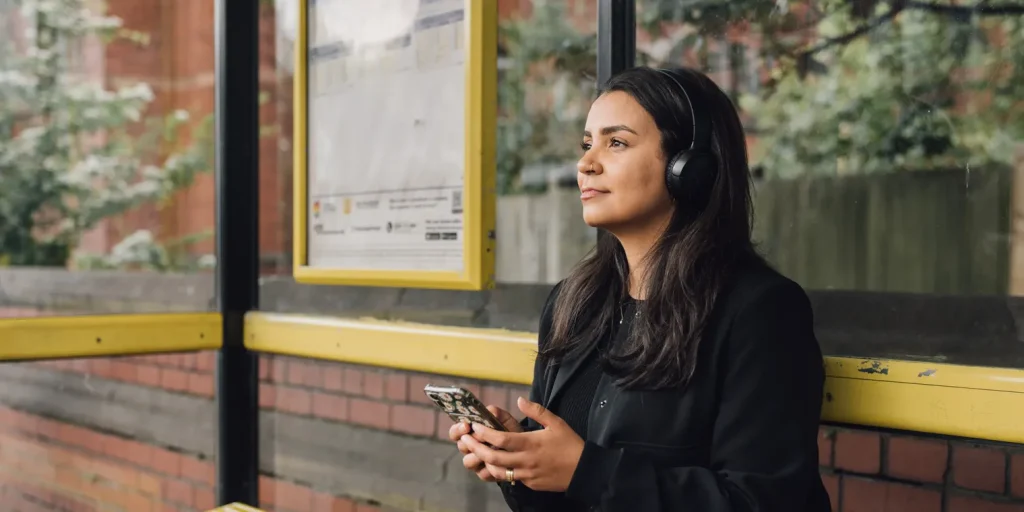
It could be on your lunch break at home or at work, whilst you’re waiting to pick up your children from school, or whilst you’re queuing for your coffee order. And whilst we call it Midday Prayers, if there’s a moment in your day that you can link it to between Morning and Night Prayers, then we’d encourage you to find that spot to come back to each day.

Night Prayer – reflect and rest
By the time it’s evening, it can sometimes feel like we have the weight of the day with us; the conversations, the disappointments, and the worries that we’d rather not take into tomorrow.
At this point, God invites us to share this moment with him to “cast all your anxiety on him because he cares for you.” (1 Peter 5:7), to “… not let the sun go down while you are still angry” (Ephesians 4:26), and to be reminded that we can “lie down and sleep, for you alone, Lord, make me dwell in safety.” (Psalm 4:8). Night Prayers give us the chance to engage in gratitude, reflection, repentance and rest, before we go to sleep, enabling our minds – and souls – to be still at the end of the day.
All our times of prayer are available to read or listen to, and many people choose to listen to Night Prayers as they fall asleep. It can also become part of your evening routine – taking the place of other ‘screen time’ before sleep, whilst doing evening jobs like tidying the house or a skincare routine, or going for an evening walk. Linking Night Prayers to a daily activity makes it easy to form a daily prayer habit.

From short-term practice, to lifelong rhythm
If you’ve started a practice like Lectio 365 for a particular season, then motivation naturally fades when the season is over. Life gets busy and other things fill in our time.
That’s why linking a daily habit of prayer to an existing, everyday habit – instead of a season of the year – is so important if you want to make a habit that lasts. And remember that simply trying harder to keep going doesn’t work. Returning to your daily prayer habit, even when you miss a day or two, is what helps you to build the routine.
Want help building a daily prayer habit?
Lectio 365 is created to be a daily prayer resource, and we want to help you build a daily habit of talking with God through the Bible. If you would like a little help keeping that rhythm, we would love to send occasional emails that include:
- Regular encouragement to keep your habit
- Practical ideas and stories from the Lectio 365 community
- First to hear about upcoming series